Investment Casting Foundry

Casting Square — Custom Precision Castings

Investment Casting Foundry from Casting Square

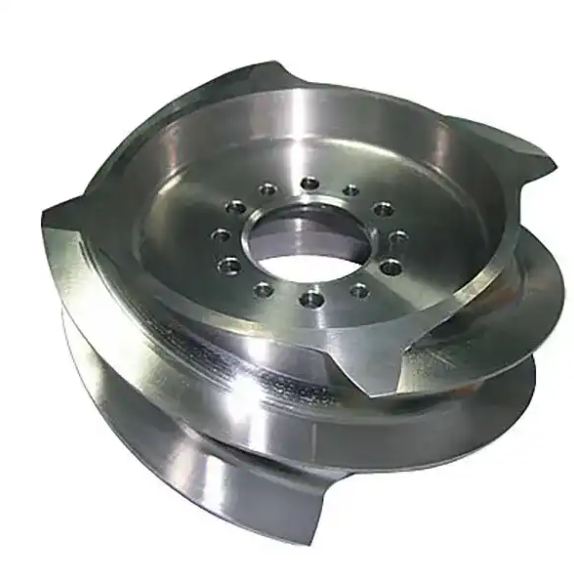
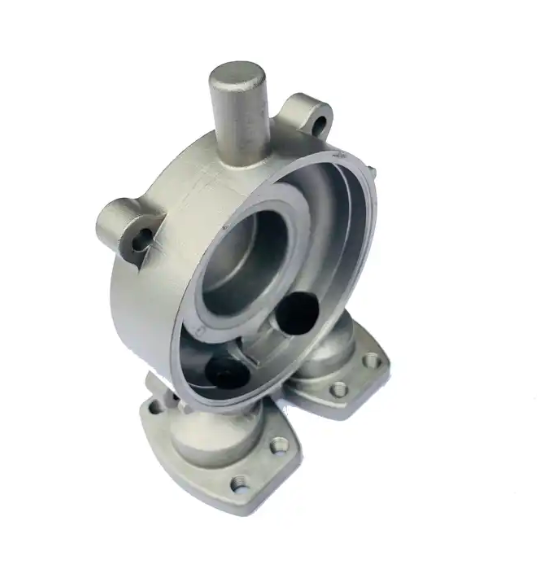
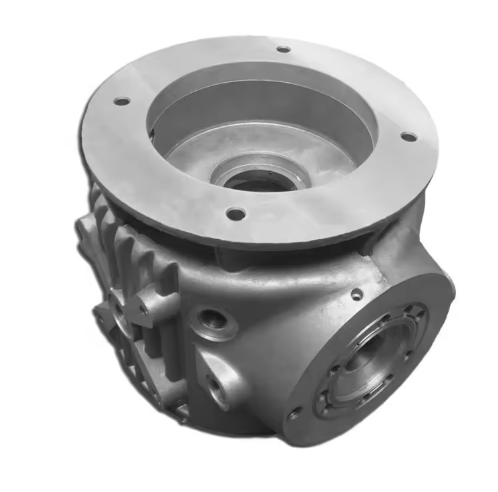
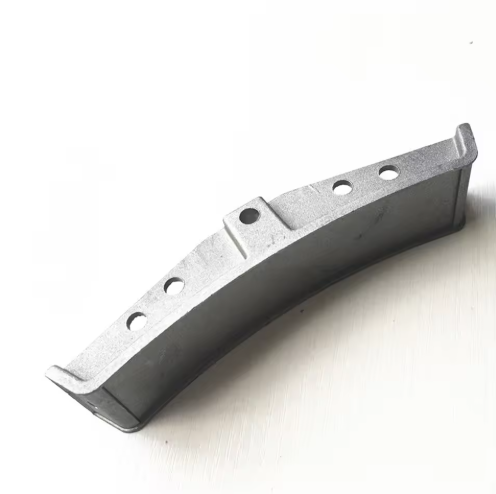
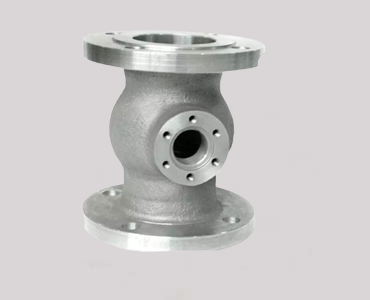
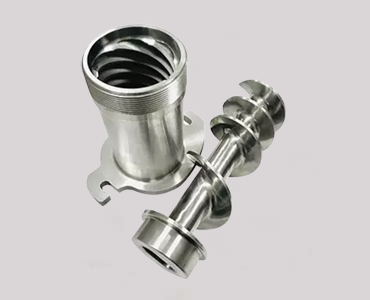
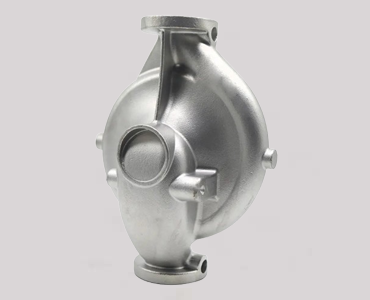
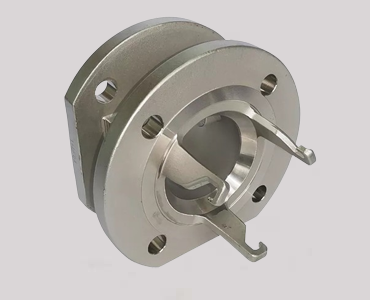
Casting Square is an investment casting foundry focused on turning component requirements into a practical production plan. Explore lost wax castings in stainless steel, carbon steel and other specified alloys for industrial applications. The foundry review connects part geometry, material choice, tooling, machining and inspection so that the finished component matches the agreed drawing.

Work with Casting Square to define critical dimensions, surface requirements and acceptance criteria before sampling. Share your application, drawings and target quantities so the production route can be reviewed in context. From material selection to repeat-order planning, a clear foundry specification supports consistent purchasing decisions and more useful technical discussions.
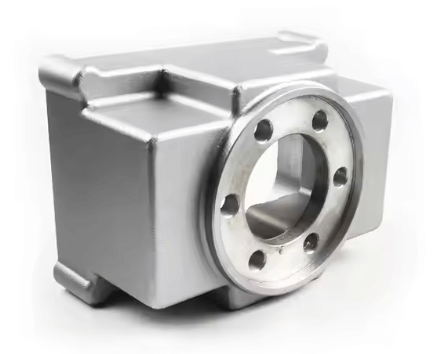
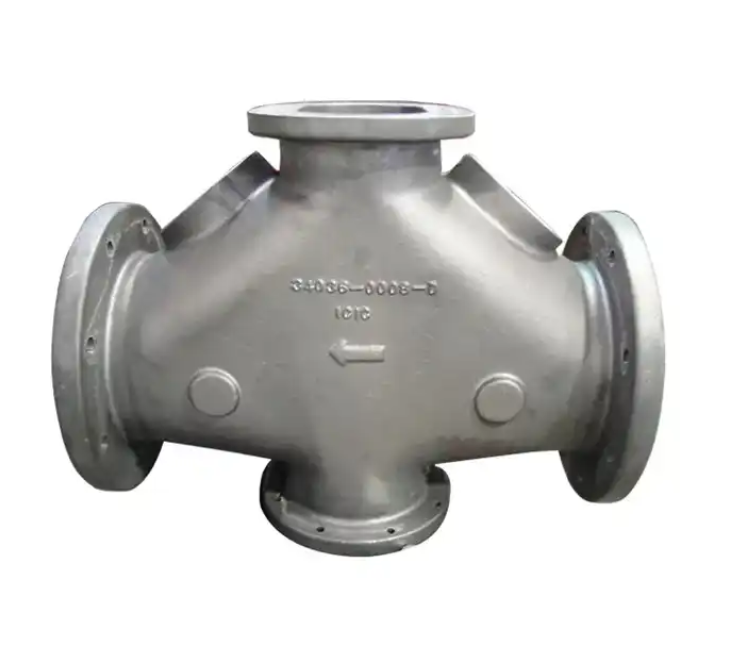
Casting Square
Your Investment Casting Partner

Precision Castings for Your Application

Why Work with Casting Square

Review alloy and geometry together before tooling. Identify features that need machining after casting. Agree sample approval and inspection requirements. Keep drawing revisions clear for repeat production.

Be an Expert When Sourcing Aerospace Castings

Check Our Latest News and Articles.

Ceramic Shell Building in Investment Casting: Why Each Layer Matters

The ceramic shell must reproduce the pattern surface and remain suitable for the later foundry operations. That makes shell building a controlled manufacturing stage rather than a simple coating task. Problems introduced here can appear much later, after metal has been poured and the cost of the component has increased.

Investment Casting vs Shell Mold Casting: Two Different Meanings of Shell

The word shell can cause confusion in casting quotations. Investment casting commonly uses a ceramic shell built around an expendable pattern. Shell mold casting generally refers to a resin-bonded sand shell formed using heated tooling. The similar wording does not make the processes identical.

Silica Sol vs Water Glass Investment Casting: Comparing the Actual Foundry Route

Silica sol and water glass describe binder systems encountered in investment casting. Buyers often see them presented as a simple quality ranking. A more useful comparison asks what mold system the foundry actually uses and whether the resulting casting meets the specified geometry, surface and inspection requirements.

Investment Casting vs Permanent Mold Casting for Repeat Components

Investment casting and permanent mold casting approach repeat production differently. One creates a new refractory mold for each casting cycle; the other repeatedly uses a metal mold. That distinction affects the geometry that can be released, the thermal behavior of the mold and the investment made before production begins.

Investment Casting vs Lost Foam Casting: What Happens to the Pattern?

Investment casting and lost foam casting both use expendable patterns, but they do not remove those patterns in the same way. Treating them as interchangeable because both names include a disappearing material overlooks the mold arrangement and the way the cavity is created during manufacture.

Stay Updated with Casting Square Casting News

Customer Experiences with
Casting Square

John T.

E-commerce Business Owner

Casting Square delivered precise nickel alloy Aerospace Casting components with consistent dimensions, clean surfaces, and complete inspection records. Their engineering response simplified qualification.

Sarah L.

Retail Store Manager

The copper and aluminum investment castings matched our drawings, material specifications, and machining requirements. Casting Square communicated clearly and maintained reliable quality across every shipment consistently.

David R.

Supply Chain Manager

Our carbon steel casting project required tight tolerances and traceability. Casting Square provided dependable samples, production control, and responsive technical support throughout production cycles.

Lisa M.

Product Development Lead

Casting Square coordinated stainless steel investment castings efficiently. The aerospace brackets arrived accurately machined, carefully inspected, and ready for our final assembly line.

Investment Casting Foundry: Questions & Answers

What does Casting Square focus on?

Casting Square is an investment casting foundry focused on turning component requirements into a practical production plan. Explore lost wax castings in stainless steel, carbon steel and other specified alloys for industrial applications. The foundry review connects part geometry, material choice, tooling, machining and inspection so that the finished component matches the agreed drawing.

What information should I send for a quotation?

Send the latest drawing revision, alloy specification, quantity, critical dimensions, finish and delivery destination. These details help Casting Square define the scope of your casting enquiry.

How should I choose an investment casting alloy?

Compare the required grades against corrosion exposure, temperature, strength and machining needs. Follow the engineering drawing and application requirements when selecting a material.

How should castings be inspected?

Agree dimensional checks, material documentation and any non-destructive testing requirements before production. Identify critical features and define measurable acceptance criteria in the order.

Which certifications or approvals are required?

Requirements depend on the component and its intended use. Confirm the current certification scope and any project-specific approvals with Casting Square before placing your order.

What affects the delivery schedule?

Tooling, sample approval, quantities, machining, inspection and freight all affect timing. Agree a schedule after the technical requirements and delivery terms have been reviewed.

Can I request custom cast components?

Share your drawing, alloy and quantity with Casting Square. Custom geometry, machining and finishing requirements should be reviewed before the tooling scope and price are finalized.

How can I compare investment casting quotations?

Compare the same drawing, material, quantity, finish and inspection scope. Separate one-time tooling, unit pricing, packaging and freight so the proposals can be evaluated consistently.

Why review the design before making tooling?

Wall sections, transitions, holes and machining allowances affect the casting route. Early review helps identify features that require discussion before tooling and sampling.

What should sample approval cover?

Review the sample against the agreed drawing, material requirements, surface finish and inspection plan. Record any changes and confirm the drawing revision before repeat production.

How do I prepare a repeat order?

Keep the approved drawing, alloy specification, sample records and packaging requirements together. Confirm quantity, revision and delivery expectations with Casting Square for every new order.

Explore Casting Square Manufacturing